Interior Design: Creating Beautiful, Sustainable Spaces
In today’s world, interior design goes beyond aesthetics; it’s about creating spaces that are not only beautiful but also sustainable and eco-friendly. As awareness of environmental issues grows, more homeowners are seeking ways to incorporate sustainable practices into their living spaces. From using eco-friendly materials to embracing biophilic design, there are countless ways to make your home both stylish and environmentally responsible. Here, we explore key elements of sustainable interior design and how they contribute to a healthier, more sustainable living environment.

Luxury Interior Design: Creating Opulent Spaces
Luxury interior design is all about creating spaces that exude elegance and sophistication. It combines high-end furnishings, exquisite craftsmanship, and personalized touches to transform a house into a dream home.
Key Elements of Luxury Interior Design
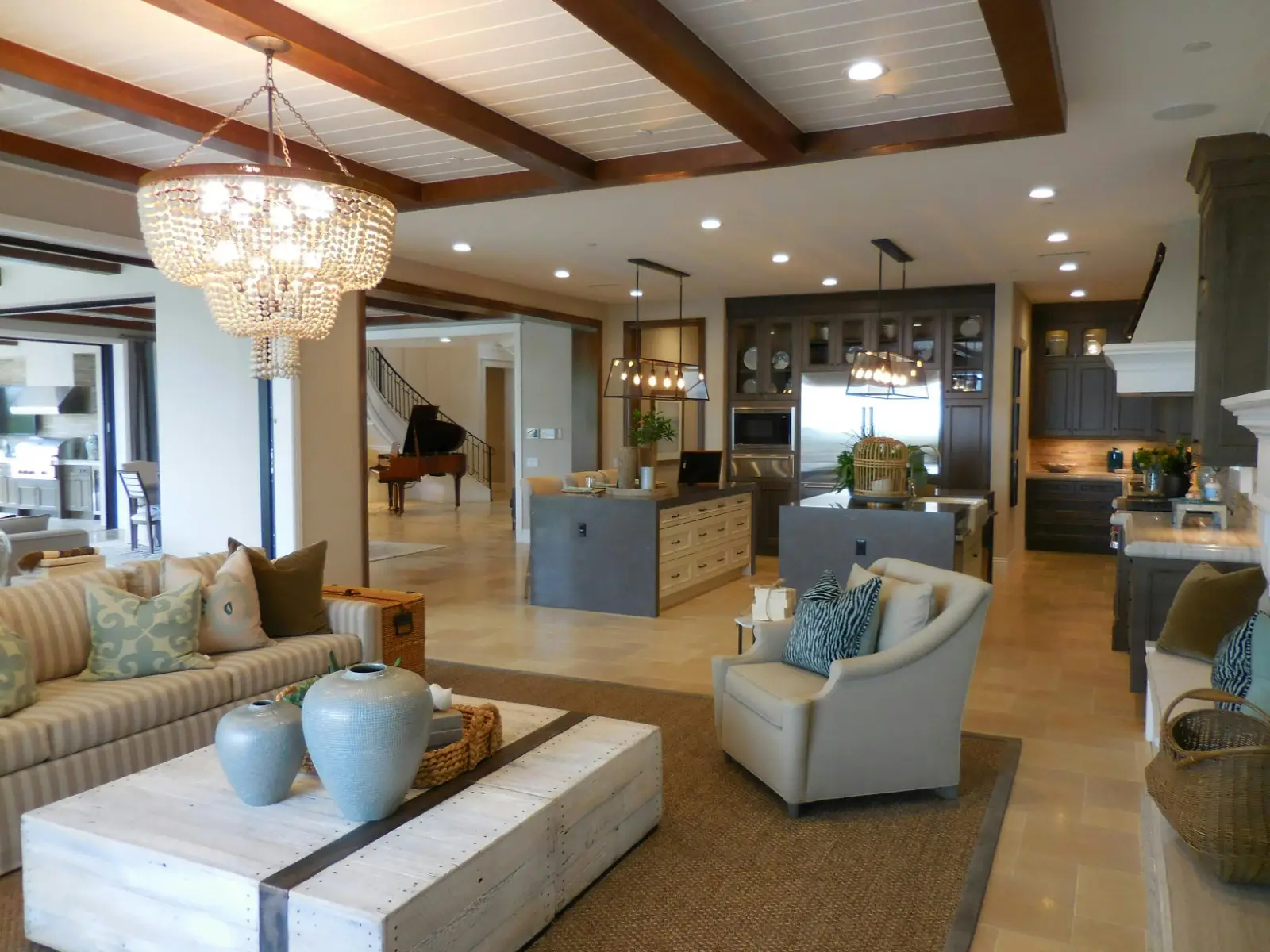
Opulent Decor: Invest in statement pieces such as a grand chandelier or a custom-made sofa. These elements serve as focal points and elevate the overall aesthetic of your space.
High-End Furnishings: Choose furniture from designer brands that offer quality and exclusivity. Look for pieces that are not only beautiful but also functional and comfortable.
Custom Design Solutions: Tailor your space to your lifestyle with custom cabinetry, built-in shelving, and personalized layouts. This attention to detail ensures that your home is uniquely yours.
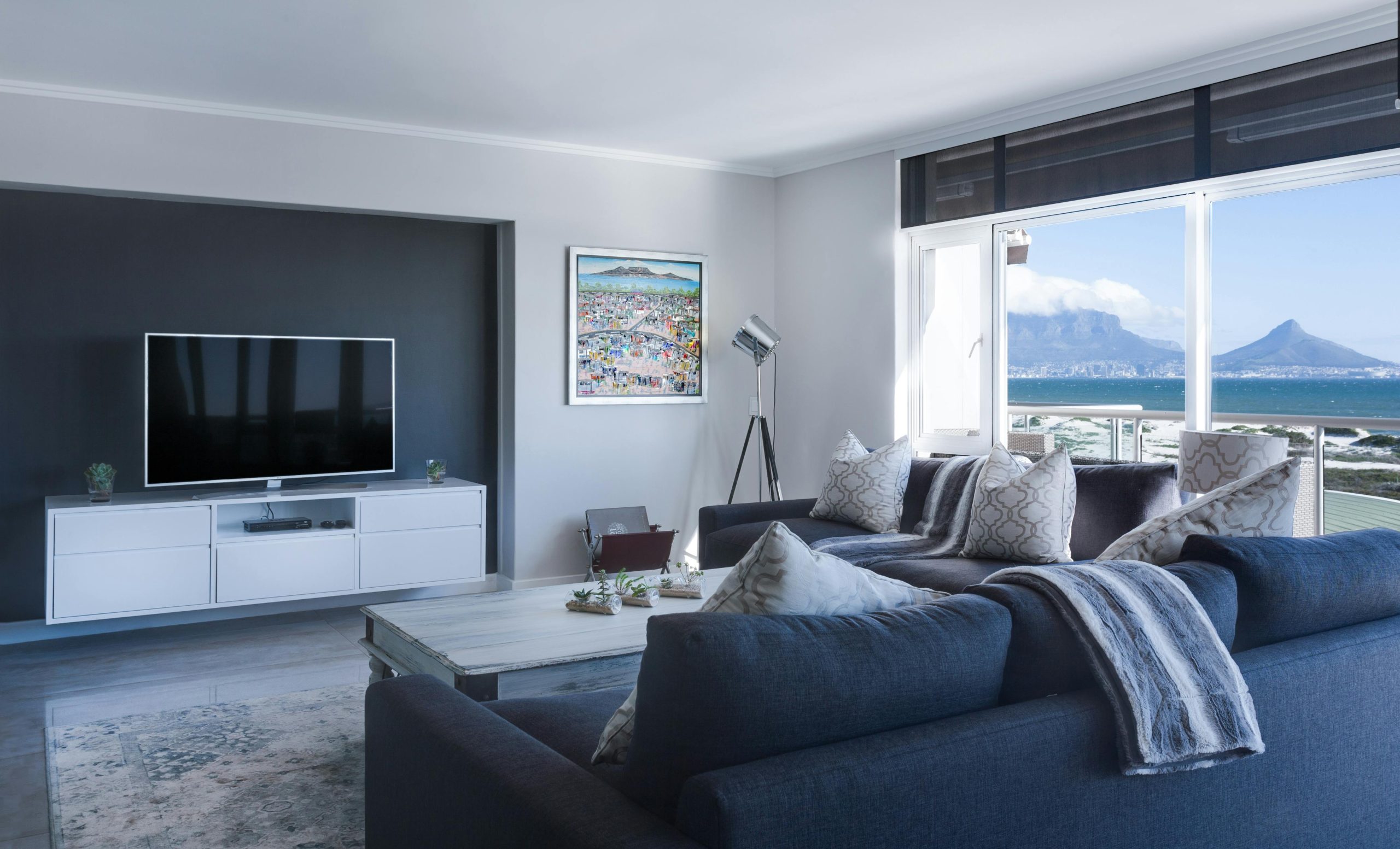
Elegant Color Schemes: Opt for a sophisticated color palette that includes rich hues and textures. Deep blues, emerald greens, and warm neutrals can create a luxurious atmosphere.
Smart Home Technology: Integrate smart home features such as automated lighting, climate control, and security systems. These technologies not only enhance convenience but also add a modern touch to luxury living.
By focusing on these elements, you can create a luxurious environment that reflects your personal style and offers unparalleled comfort.

Sustainable Furniture
Sustainable furniture is designed with longevity in mind, utilizing materials and production processes that reduce environmental impact. This includes furniture made from recycled or upcycled materials, as well as pieces crafted from sustainably sourced wood. When selecting furniture, look for certifications such as the Forest Stewardship Council (FSC) label, which ensures that the wood has been harvested responsibly. Additionally, supporting local artisans and manufacturers can reduce the carbon footprint associated with transporting goods, making your home not just stylish, but also environmentally conscious.
Energy-Efficient Lighting
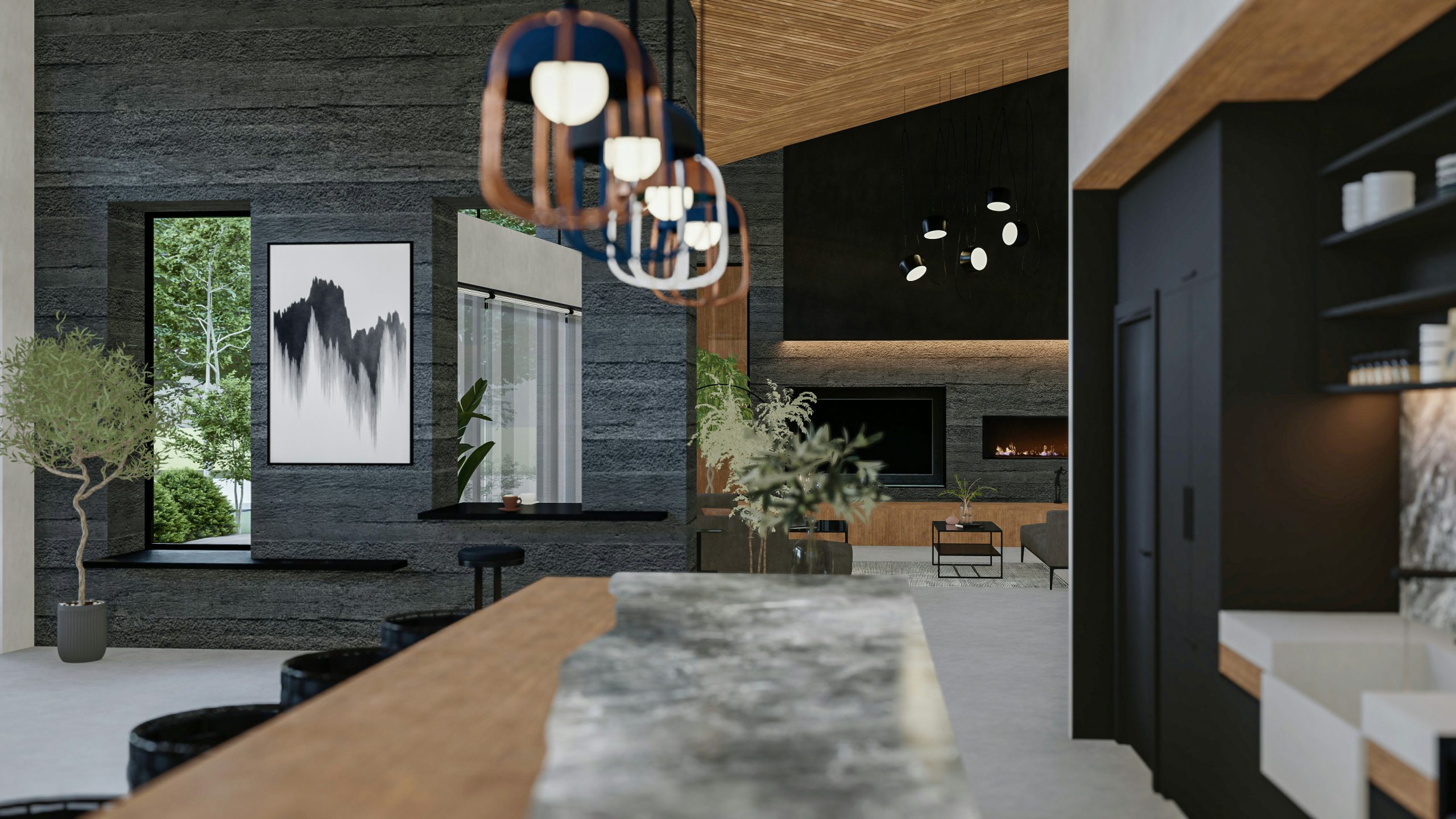
Lighting plays a crucial role in interior design, influencing both the ambiance and functionality of a space. Energy-efficient lighting solutions, such as LED bulbs, are a key component of sustainable design. LEDs use significantly less energy than traditional incandescent bulbs and have a longer lifespan, reducing the frequency of replacements and the associated waste. Moreover, incorporating smart lighting systems that adjust based on natural light levels or occupancy can further enhance energy efficiency, making your home both eco-friendly and cost-effective.
Sustainable Color Palettes
Choosing a sustainable color palette involves more than just selecting eco-friendly paints; it also means considering the long-term impact of your design choices. Neutral and earthy tones, inspired by nature, are not only timeless but also promote a sense of calm and balance. By opting for classic, sustainable colors, you reduce the need for frequent repainting, which can generate waste and contribute to environmental degradation. Additionally, selecting low-VOC or natural paints ensures that your color choices are both beautiful and environmentally friendly.
Eco-Friendly Materials
One of the foundational principles of sustainable interior design is the use of eco-friendly materials. These materials are chosen for their minimal impact on the environment, both in terms of their production and their lifecycle. For example, reclaimed wood, bamboo, and cork are popular choices due to their renewable nature and low environmental footprint. Reclaimed wood, in particular, adds character and warmth to interiors while reducing the demand for new timber, helping to preserve forests. Additionally, using non-toxic, water-based finishes and adhesives can further minimize harmful emissions, promoting better indoor air quality.

Zero Waste Interior Design
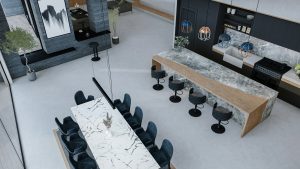
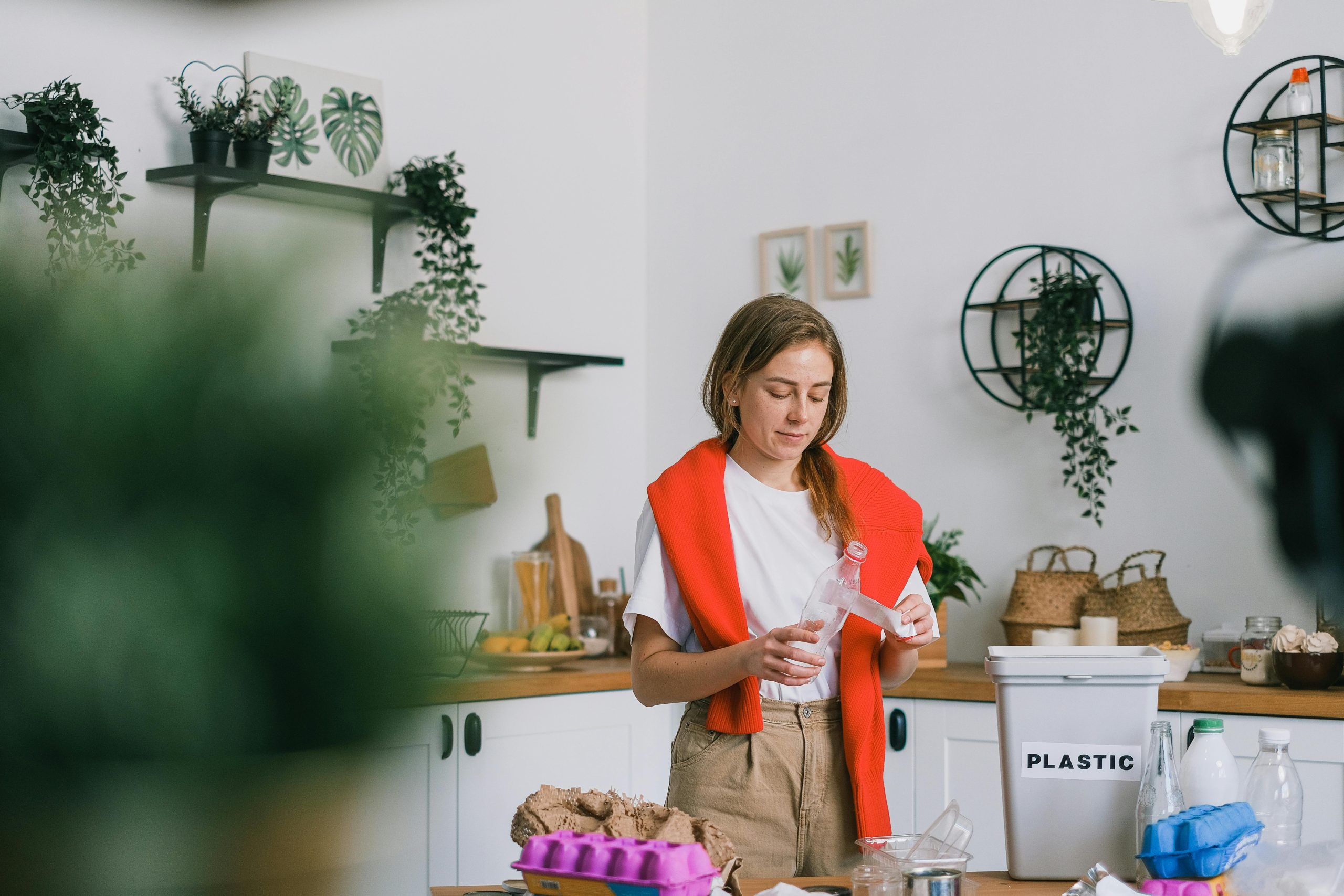
Zero waste interior design is an emerging trend that focuses on minimizing waste throughout the design process. This approach involves careful planning and sourcing to ensure that materials and products are used efficiently, with minimal waste. It also emphasizes the use of durable, high-quality materials that can be repaired, recycled, or repurposed rather than discarded. By adopting a zero-waste mindset, you can create a space that is not only beautiful but also environmentally responsible, reducing the impact of your home on the planet.

Green Building Practices
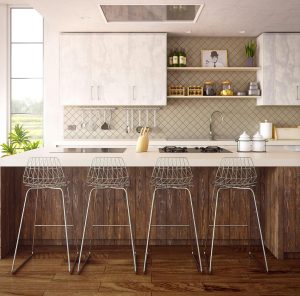
Sustainable interior design is closely linked with green building practices, which focus on creating structures that are energy-efficient, resource-efficient, and environmentally responsible. This includes the use of sustainable building materials, energy-efficient HVAC systems, and renewable energy sources like solar panels. By incorporating green building practices into your interior design, you can significantly reduce your home’s environmental impact, lower utility costs, and create a healthier, more sustainable living space.
Enjoy a Stress-Free Transformation
We're all about making things easy for you. Whether in London, Manchester, Birmingham, or anywhere in the UK, our services are here to transform your space into a place you'll love. We handle everything from start to finish, making the entire interior design process stress-free.

Sustainable Interior Design
Sustainable interior design is about more than just aesthetics; it’s about creating spaces that are environmentally responsible, energy-efficient, and conducive to a healthy lifestyle. By incorporating eco-friendly materials, sustainable furniture, and energy-efficient lighting, you can design a home that not only looks great but also supports the well-being of both its occupants and the planet. Whether through biophilic design, zero waste practices, or the use of natural textiles, every choice you make contributes to a more sustainable and beautiful world. Embrace these principles in your interior design and create a space that you can truly be proud of—one that reflects your commitment to sustainability and your love for thoughtful, intentional design.
Frequently Asked Questions (FAQ)
What is sustainable interior design?
Sustainable interior design focuses on creating spaces that are environmentally friendly and resource-efficient. It involves using eco-friendly materials, energy-efficient systems, and practices that minimize waste and promote a healthier indoor environment.
What are some eco-friendly materials I can use in my home?
Some popular eco-friendly materials include bamboo, reclaimed wood, recycled metal, natural stone, and organic textiles. These materials not only reduce environmental impact but also add unique character to your space.
How can I make my home more sustainable?
You can make your home more sustainable by choosing eco-friendly materials, incorporating energy-efficient appliances, using natural lighting, and selecting low-VOC paints. Additionally, consider repurposing furniture and using recycled decor items.
What defines luxury interior design?
Luxury interior design is characterized by high-quality materials, exquisite craftsmanship, and personalized touches. It focuses on creating elegant, comfortable spaces that reflect the homeowner's unique style and preferences.
How can I incorporate luxury into my home without a complete renovation?
You can incorporate luxury into your home by adding high-end accessories, such as designer throw pillows, art pieces, or statement lighting fixtures. Small changes, like a fresh coat of paint in a sophisticated color or new hardware on cabinets, can also elevate your space.
What are some current trends in luxury interior design?
Current trends in luxury interior design include the use of sustainable materials, smart home technology, bold color palettes, and a focus on wellness through biophilic design. Mixing modern and traditional elements is also popular.
What is the role of technology in luxury interior design?
Technology plays a significant role in luxury interior design by enhancing convenience and comfort. Smart home systems can control lighting, temperature, and security, allowing for a seamless and luxurious living experience.
Is sustainable design more expensive than traditional design?
While some sustainable materials may have a higher upfront cost, they often lead to long-term savings through energy efficiency and durability. Additionally, many sustainable practices can be implemented at little to no cost.


